Image
Establishing Healthy Habits
The preschool years are an important time for building the foundations for lifelong health and wellbeing. During these early years, children develop habits and routines that influence their physical health, emotional wellbeing, independence and ability to learn. While healthy habits may seem simple, establishing them often takes time, consistency and flexibility as children grow and develop.
Healthy habits are not about perfection or rigid routines. They are about creating supportive environments where children can practise skills, build confidence and learn what helps their bodies and minds feel their best. Every family’s routine will look different, and small, consistent changes often have the greatest impact over time.
Strategies families can use to help establish healthy habits:
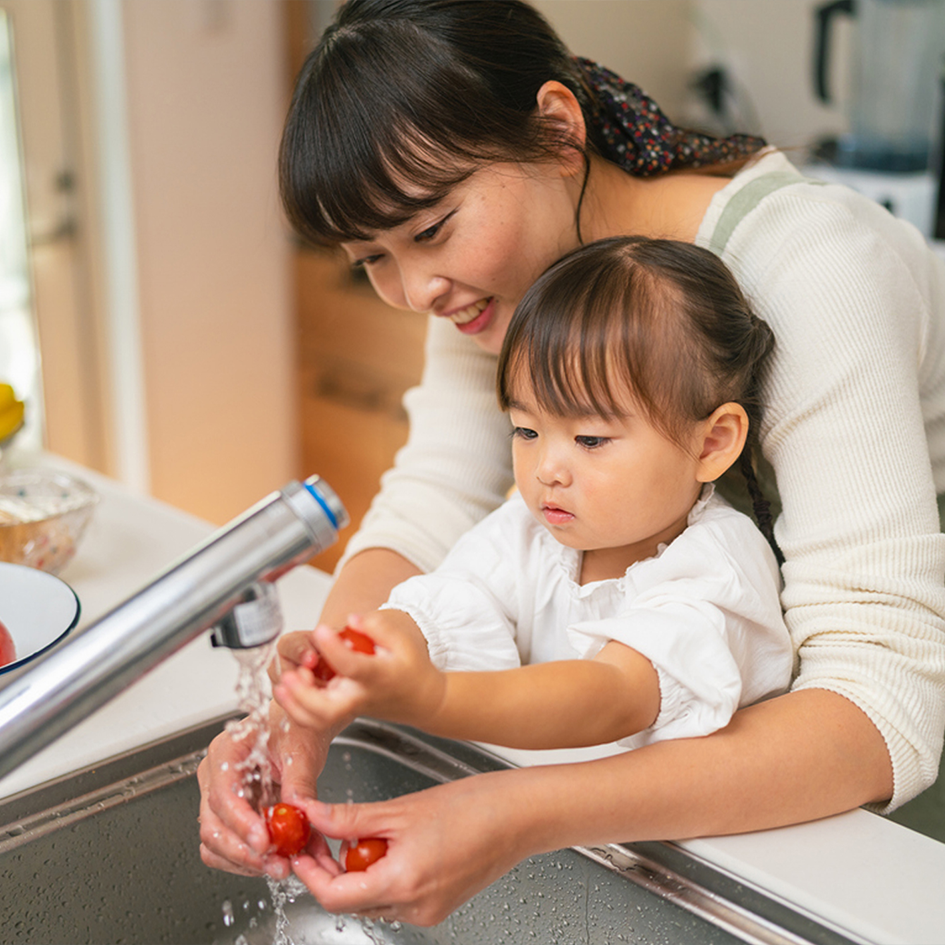
Involve children in food preparation
Invite your child to help choose fruit and vegetables at the supermarket, wash ingredients or assist with simple cooking tasks. Being involved often increases curiosity and willingness to try new foods.
Make mealtimes positive
Offer a variety of healthy foods without pressure, rewards or bribes. Eating together when possible helps children learn by watching others and creates positive experiences around food.
Keep meals social and screen-free
Shared meals provide opportunities for conversation, connection and practising communication skills while reducing distractions.
Remember that new foods take time
Children often need repeated exposure before accepting unfamiliar foods. Continue offering foods without pressure and celebrate curiosity rather than focusing only on eating.
Prioritise sleep routines
Preschoolers need between 10 and 13 hours of sleep within a 24-hour period. Predictable bedtime routines help children feel calm, secure and ready for sleep.
Create calming bedtime rituals
Simple routines such as reading stories, dimming lights or putting a favourite toy to bed can help children transition more easily into sleep.
Encourage active play every day
Young children need plenty of opportunities to move through active play, outdoor experiences and everyday activities. Some children, including neurodivergent children, may engage more easily with structured, sensory-friendly or interest-based movement activities.
Make movement fun and accessible
Dancing, playing at the park, obstacle courses, walking together or helping with simple physical tasks all contribute to healthy development.
Build predictable rhythms throughout the day
Regular times for meals, sleep, play and daily activities help children feel safe, understand what comes next and build confidence through predictability.
Use visual supports where helpful
Picture charts, simple checklists and visual schedules can support independence and provide additional structure, particularly for neurodivergent children or children who benefit from greater predictability.
Balance screen use thoughtfully
Aim to keep sedentary screen time limited while prioritising quality, interactive experiences that support learning, creativity and connection.
Share screen time together
Watching, playing or exploring digital content together creates opportunities for learning, conversation and connection.
Model healthy habits yourself
Children learn by observing adults. Demonstrating healthy eating, movement, sleep routines and balanced technology use helps reinforce positive behaviours.
Focus on progress, not perfection
Building healthy habits takes time. Small steps, repetition and consistency are more important than getting everything right every day.