Image
Why Routines Matter for Preschoolers
Predictable routines play an important role in helping young children feel safe, secure and confident as they navigate the world around them. During the preschool years, children are learning how to manage emotions, adapt to transitions and build independence. Consistent routines provide structure and help children understand what to expect throughout their day, which can reduce stress and support emotional wellbeing.
Routines do not need to be rigid or perfectly followed to be effective. Every family is different and routines should be realistic, flexible and fit within everyday life. Small, consistent habits around meals, sleep, play, learning and transitions can make a significant difference in helping young children feel settled and supported.
Strategies families can use to create supportive routines:
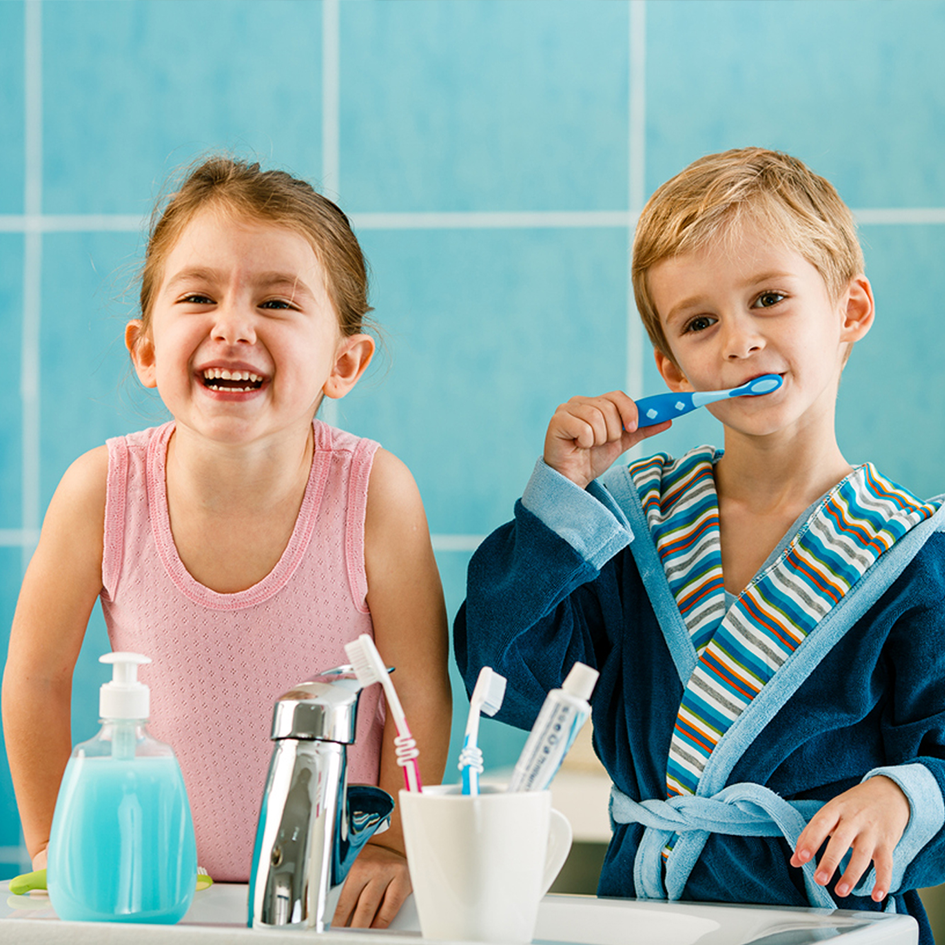
Create predictable morning and bedtime routines
Simple and consistent routines at the start and end of the day help children feel secure and know what to expect.
Use visual reminders and cues
Pictures, charts or simple prompts can help preschoolers understand routines and encourage independence.
Build routines around everyday activities
Regular times for meals, bath time, reading and play help create structure without making routines feel overwhelming.
Prepare children for transitions
Giving warnings before changing activities, using goodbye rituals or creating calming routines can reduce frustration and support smoother transitions.
Keep routines realistic and flexible
Life changes, unexpected events and busy days happen. Consistency matters more than perfection.
Include opportunities for connection and rituals
Shared routines such as reading together, bedtime rituals or family meals strengthen relationships and provide reassurance.
Support independence through repetition
Repeating everyday tasks and giving children simple responsibilities helps build confidence, independence and a sense of contribution.
Prioritise sleep routines
Consistent sleep and wake times support mood, concentration, behaviour and overall wellbeing.
Use routines to build healthy habits
Regular routines around eating, movement, sleep, reading and screen use help establish positive habits and protect time for play, family connection and learning.
Introduce changes gradually
When routines need to change, preparing children beforehand can help reduce anxiety and resistance.
Every family’s routine will look different
The goal is not to create a perfect schedule but to build predictable patterns that help your children feel secure and supported.