










 Topic Resources
 KEYpoints
Image
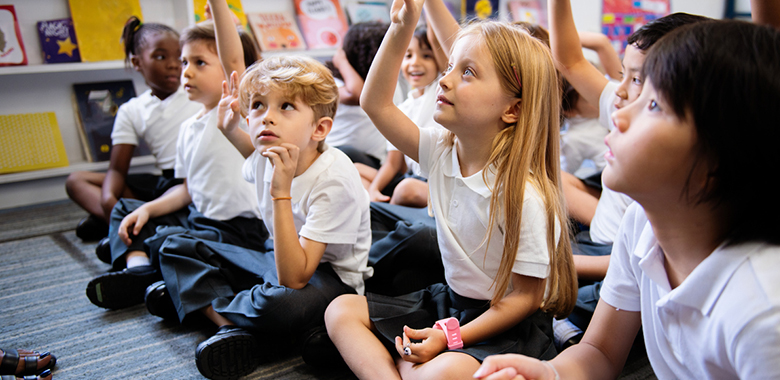


What is anxiety? Many parents are confused about the nature of anxiety and especially, when to really worry about it. Anxiety refers to feelings of worry, nervousness, or a sense of apprehension, typically about an...

What causes anxiety? Whilst there is no single known cause of anxiety disorders, there are a number of risk factors or triggers that may contribute. These differ between the different anxiety disorders too. According to...
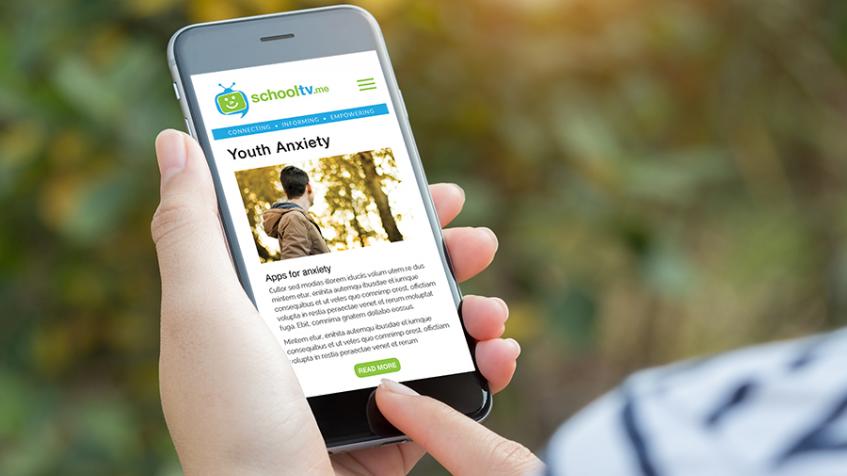
Chances are, you or someone you know suffers with anxiety. Whether it's a mild feeling of apprehension and unease before a completely routine event, or a full-blown panic attack - anxiety can disrupt your daily...




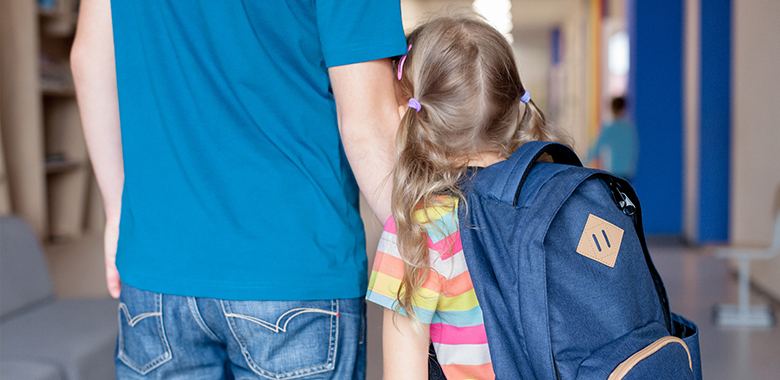
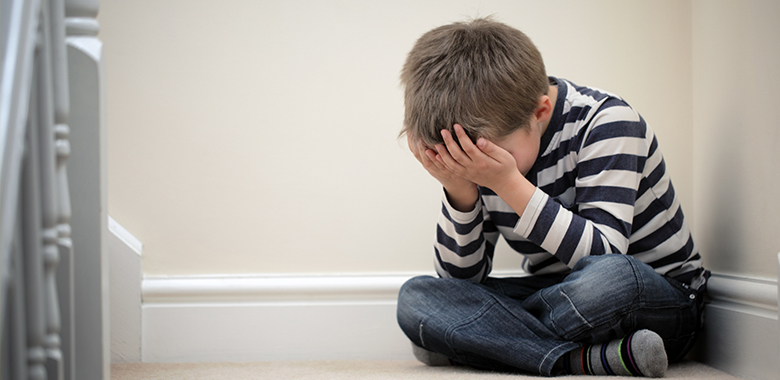







Anxiety is a natural and expected part of growing up. It helps young people navigate new experiences, challenges, and transitions. However, for many children and adolescents today, anxiety can become intense, persistent and disruptive. Factors such as academic pressures, social expectations, family dynamics and the constant presence of digital media can all contribute to heightened stress and worry. When left unrecognised or unsupported, anxiety can begin to affect a young person's wellbeing, learning, relationships and overall confidence. That's why it's essential for adult carers to understand how anxiety may present in their children. Everyone experiences anxiety differently, and there's no one-size-fits-all response. With greater awareness and the right support, families can help young people build the skills to manage anxiety effectively, fostering resilience, self-awareness and emotional wellbeing for life.


 Full Videos
 All Topics
 Feedback