








 Topic Resources
 KEYpoints
Image






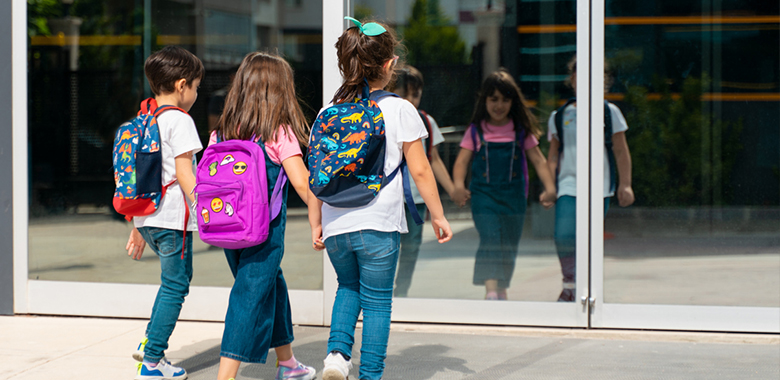



Resilience begins developing in the early years through everyday experiences such as managing disappointment, solving problems and learning from mistakes. While it can be tempting to step in and remove challenges, children build resilience when they are supported to face small setbacks with guidance, encouragement and connection. Strong relationships, predictable routines and opportunities to practise perseverance all help children develop confidence in their ability to cope. By supporting children to understand emotions, take age-appropriate risks and keep trying when things feel difficult, parents can help build the foundations for lifelong resilience and wellbeing.


 Full Videos
 All Topics
 Feedback