










 Topic Resources
Image
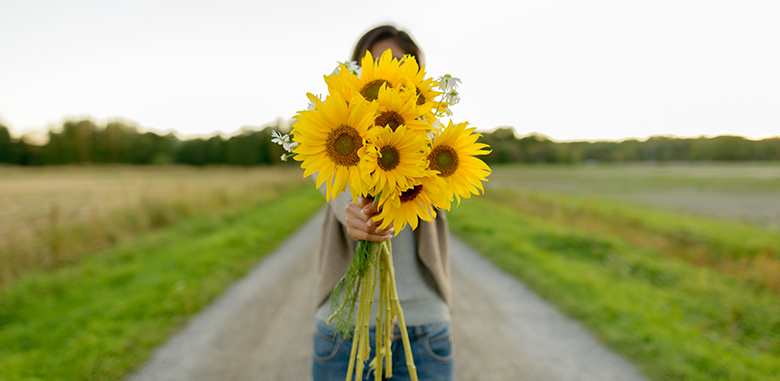


Highly happy people all share happy habits. It's as simple as that. The happiest people I know share 7 very obvious habits. If you're looking to expand your general happiness you may consider adopting these...

There is so much that is wrong with the society we live in. There is so much about ourselves that we wish to change. In an attempt to make ourselves better and to change our...

Over the past two decades, the positive psychology movement has brightened up psychological research with its science of happiness, human potential and flourishing. It argues that psychologists should not only investigate mental illness but also...

Emma, a lawyer in her 30s, lives in Wellington. I met her at a seminar on resilience and she cornered me afterwards explaining she'd always known happiness and success were linked, but now realised it...

The secret to happiness is also the secret to a long and fulfilling life. When most of us think about what makes us happy, we tend to focus on the "things" in life that we...

Starting out in rocket science and computer programming, if you would have told me then that there's a science to happiness I would have laughed. And actually that would have made me a little happier...

Behavioral scientists have spent a lot of time studying what makes us happy (and what doesn't). We know happiness can predict health and longevity, and happiness scales can be used to measure social progress and...

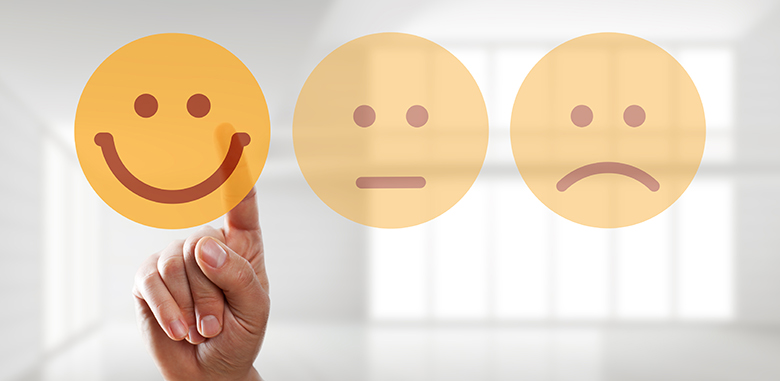


Happiness is defined as the balance of positive and negative emotions, combined with overall life satisfaction. Happiness and gratitude have been studied in positive psychology for many years and researchers have found that gratitude is always strongly associated with greater happiness. Although everyone has their own definition of happiness, many of us want to feel more positive emotions than negative ones. However, negative emotions are still important. They have a lot to teach us and alert us when things need to change. Practising gratitude helps people feel more of the positive emotions, enable us to relish good experiences, improve our overall health, deal with adversity and build strong relationships.

 Full Videos
 All Topics
 Feedback