
SPECIAL REPORTS
-
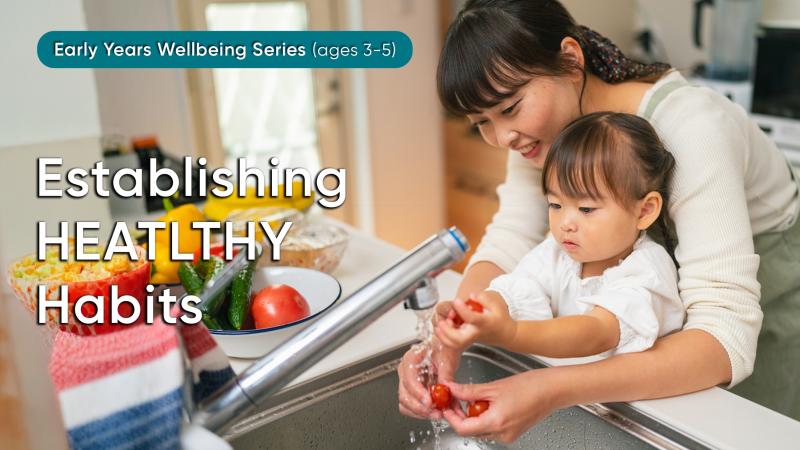
SPECIAL REPORT: Establishing Healthy Habits
Read More"Healthy habits are shaped through small, repeated experiences that help children feel safe, capable and supported. These often become the foundations for lifelong wellbeing."
Dr Emma Woodward
-

SPECIAL REPORT: Why Routines Matter for Preschoolers
Read More"Routines provide young children with more than structure. They create a sense of safety, build confidence and help them develop the skills needed for independence and emotional security."
Dr Emma Woodward
-
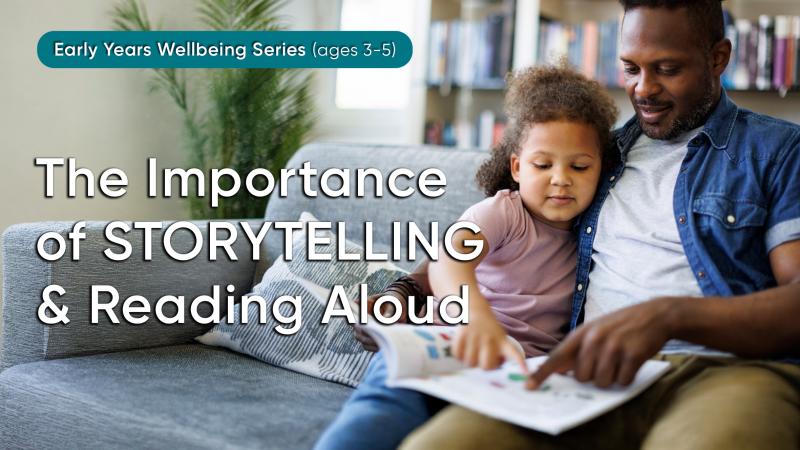
SPECIAL REPORT: The Importance of Storytelling & Reading Aloud
Read More"Through books and shared storytelling, children build language, strengthen relationships and develop the imagination and empathy that support lifelong learning and wellbeing."
Dr Emma Woodward
-
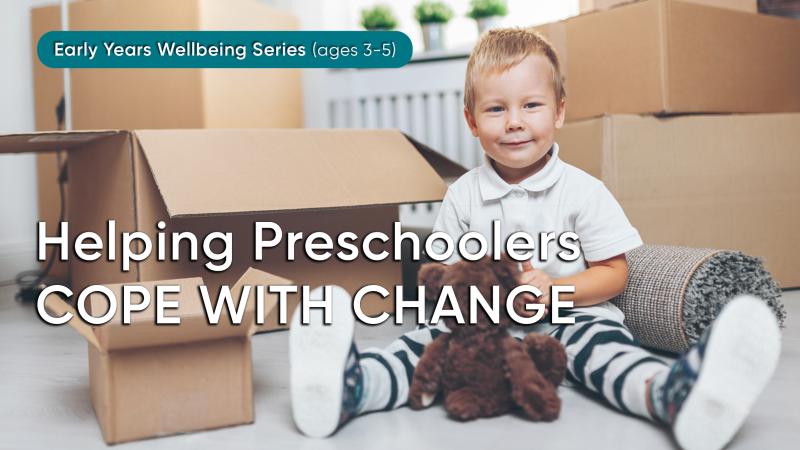
SPECIAL REPORT: Helping Preschoolers Cope with Change
Read More"Change can feel overwhelming for young children because their sense of safety is built through familiarity, routines and close relationships. With patience, these experiences can become opportunities to build resilience and confidence."
Dr Emma Woodward
-

SPECIAL REPORT: Raising a Child that Loves to Learn
Read More"A love of learning begins with curiosity. When children feel safe to explore, ask questions and make mistakes, they develop the confidence to keep trying and discover what they are capable of."
Dr Emma Woodward
-
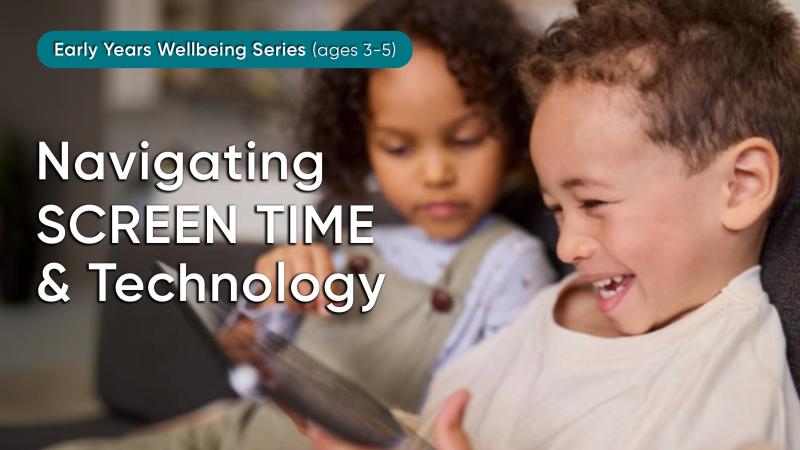
SPECIAL REPORT: Navigating Screen Time & Technology
Read More"Young children learn best through play, conversation and connection. Screens should support development, not replace the experiences that help children build language, relationships and confidence."
Dr Emma Woodward
-
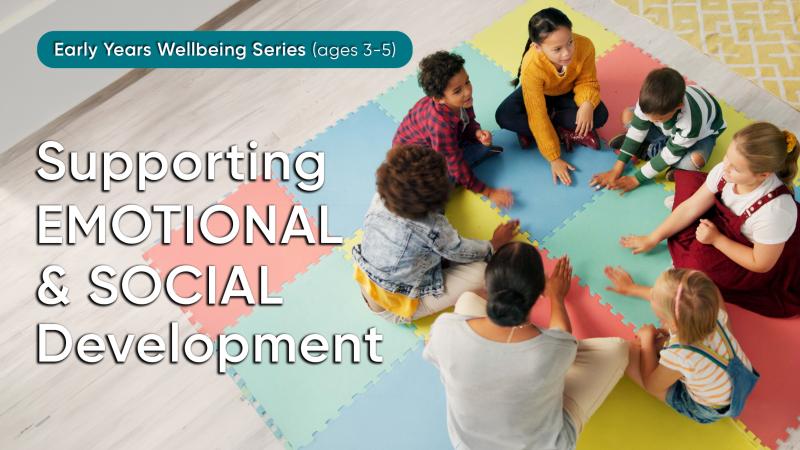
SPECIAL REPORT: Emotional & Social Development
Read More"When children develop these skills in the preschool years, they are more likely to thrive academically, build positive and healthy relationships and experience fewer behavioural difficulties as they grow. They are the building blocks for lifelong skills."
Dr Emma Woodward
-

SPECIAL REPORT: Do It For Dolly Day
Read More"Bullying is a deliberate, repeated behaviour designed to cause harm, distress or fear. Do It For Dolly Day is a national reminder that kindness matters and that bullying can be stopped through collective action."
Dr Michael Carr-Gregg
-

SPECIAL REPORT: Domestic & Family Violence
Read More"Sadly, the impact of domestic and family violence is not confined to the home. It ripples through our schools, workplaces and communities. And the effects are devastating, particularly for our young people."
Dr Michael Carr-Gregg
-

SPECIAL REPORT: Responding to Peer Pressure
Read More"Peer pressure has always been part of growing up, but in today's fast-paced, hyper-connected world, its influence has never been stronger. Technology has given peer pressure new reach that can shape a young person's behaviour."
Dr Michael Carr-Gregg
-

SPECIAL REPORT: Consent & Respectful Relationships
Read More"Consent is not just about sexual activity. It begins long before adolescence, through everyday experiences such as learning about personal space, sharing and asking permission. It is closely linked to empathy, communication and respect in all relationships."
Dr Michael Carr-Gregg
-

SPECIAL REPORT: Wellbeing Barometer Survey - 2026
Read More"The findings continue to reveal both the pressures young people are facing and the strengths they draw upon. Together, they reinforce the importance of proactive, preventative approaches that support students before concerns escalate."
Dr Michael Carr-Gregg
-

SPECIAL REPORT: Talking About Bushfires
Read More"Studies show an increase in mental health problems among survivors immediately after a major disaster. Children especially are vulnerable to experiencing feelings of loss of safety, fear or apprehension following exposure to images seen on TV, the internet or in newspapers."
Dr Michael Carr-Gregg
-

SPECIAL REPORT: Trauma Recovery
Read More"Trauma presents in children in various ways, depending on their age, previous experience, and personal resilience. When they encounter traumatic events, their brain processes these emotions, storing them as powerful memories."
Dr Michael Carr-Gregg
-

SPECIAL REPORT: Embracing Change & New Beginnings
Read More"How young people embrace change and new beginnings can make a lasting difference and set the foundation for growth, confidence and a positive path forward. Transitions require a collaborative effort to manage these changes effectively."
Dr Michael Carr-Gregg
